
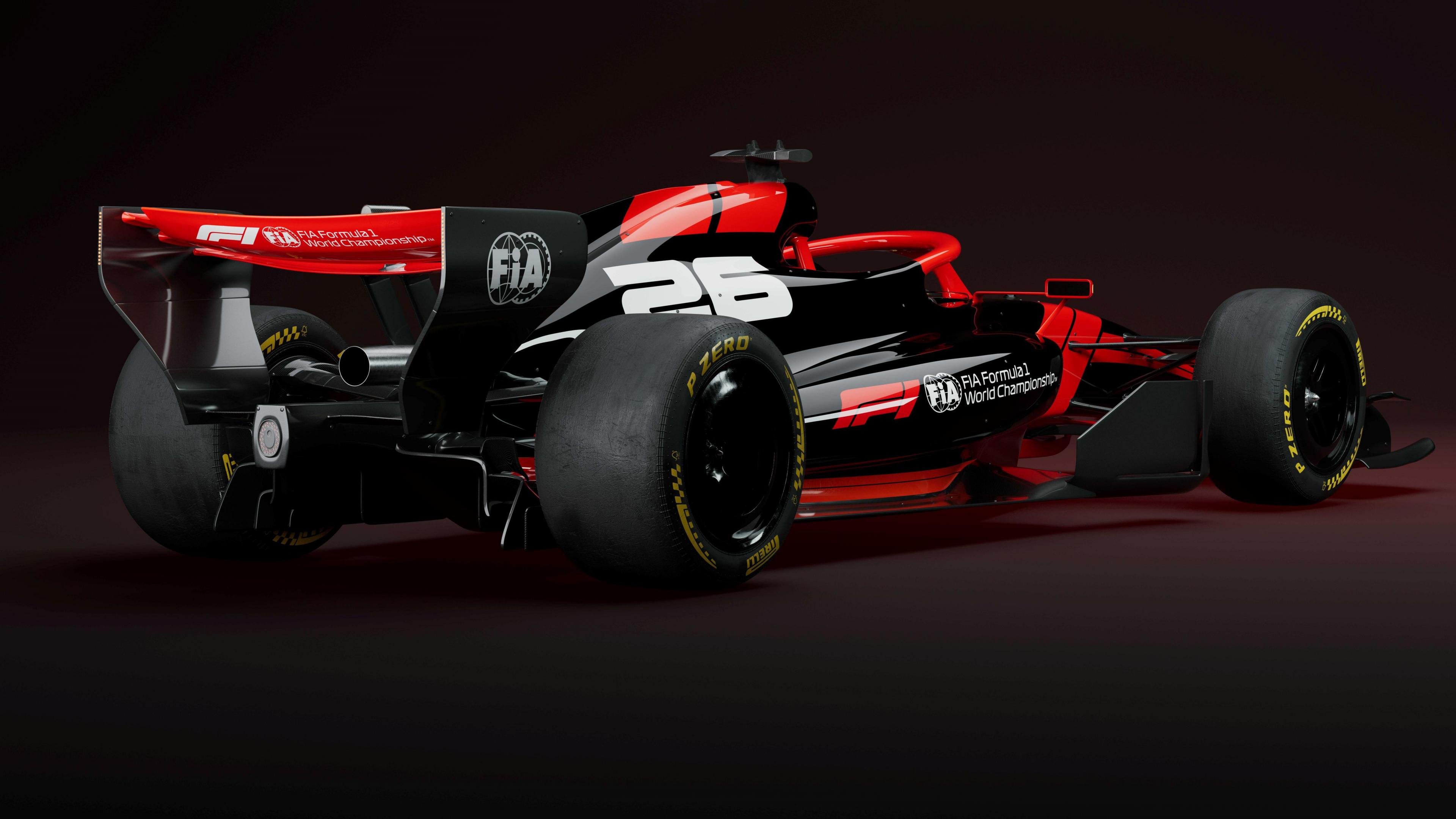
The 2026 cars are expected to be lighter, more agile and sustainable relative to present-day cars.
The world of Formula 1 has unveiled the official vocabulary that will be used to explain the advanced features of its new 2026 rulebook.
The championship is introducing what is potentially the biggest regulation change in its illustrious history starting in 2026, featuring new chassis and engine rules and the compulsory introduction of 100% sustainable fuels.
The updated 1.6-litre V6 turbo hybrids, which retain the hybrid V6 layout, boast a greatly enhanced electrical capacity, requiring major innovations in the aero packages.
During grand prix events, pilots will tactically deploy electrical energy – including during qualifying laps – to extract the peak result.
Wide-ranging research were undertaken with a wide range of fans, including dedicated enthusiasts and casual observers, to understand which terminology would improve understanding of the central aspects of the new regulations.
The primary aim was to make a range of advanced new areas of the sport as accessible as possible for the broadest viewership.
Consequently, initial designations for some systems – such as "modes labelled X and Z" for the adjustable aero – have been abandoned in preference for straightforward terms that clearly indicate the primary purpose of the innovation.
What's the New Technology?
The FIA states that competitors will have more power to make decisions regarding power usage, energy recovery, and conservation.
The new regulations mandate a set of functions that will be shown on TV overlays to improve the viewers' comprehension of the race battle.
- Overtake Mode: This supersedes the current DRS. It provides a short boost of battery power available when a competitor is close behind the leading car to execute an overtake.
- Power Mode: This is a manual battery discharge from the hybrid system that can be utilized during offensive or defensive moves. It grants the driver maximum power at the click of a switch.
Both of these crucial modes will have to be deployed strategically, as the overall battery capacity is capped.
- Active Aerodynamics: Both the nose and rear wings move automatically – opening on the high-speed sections for reduced drag and top speed, and angling down in the corners for optimal cornering performance.
- Recharge: The system can replenish their battery with regenerative braking, or during partial power application at the end of straights or in certain corners where only reduced throttle is required.
2026 Car Specifications
The next-generation machines will be smaller and lighter than this year, with a distance between axles shortened by 200mm to 3,400mm, car width narrowed by 100mm – down to 1,900mm – and the minimum weight reduced by 30kg.
Cumulative downforce is projected to decrease by approximately fifteen to thirty percent, although constructors will undoubtedly recover some as they refine their designs.
Air resistance has been slashed by 40%. The vehicles will employ adjustable aero systems – both wings will adjust on the straight sections to reduce drag and increase straightline speed and return into place for peak handling.
Wheels will continue to use the current rim size, but the actual tyres will be slimmer, by 25 millimetres on the front axle and 30 millimetres on the rear axle.
What's Changing in the Engines?
The revised hybrid units will have an near-equal balance in power produced by the internal combustion engine and the electrical system, increasing from about 20% battery contribution in the current formula.
The ERS setup is streamlined through the elimination of the Motor Generator Unit – Heat, the complicated and costly unit that generated electricity from the turbo.
Cars will be required to run on carbon-neutral fuel, manufactured from biomass or lab-created processes.


